Underground Oil Tanks and How to Best Protect Your Home with Peace of Mind
If you own a home with an underground oil tank, it poses a potential liability in addition to other factors you may not be aware of. More importantly, if you’re selling your home or getting ready to, here’s a question for you: “Do I need to remove it? And, if so, why?”
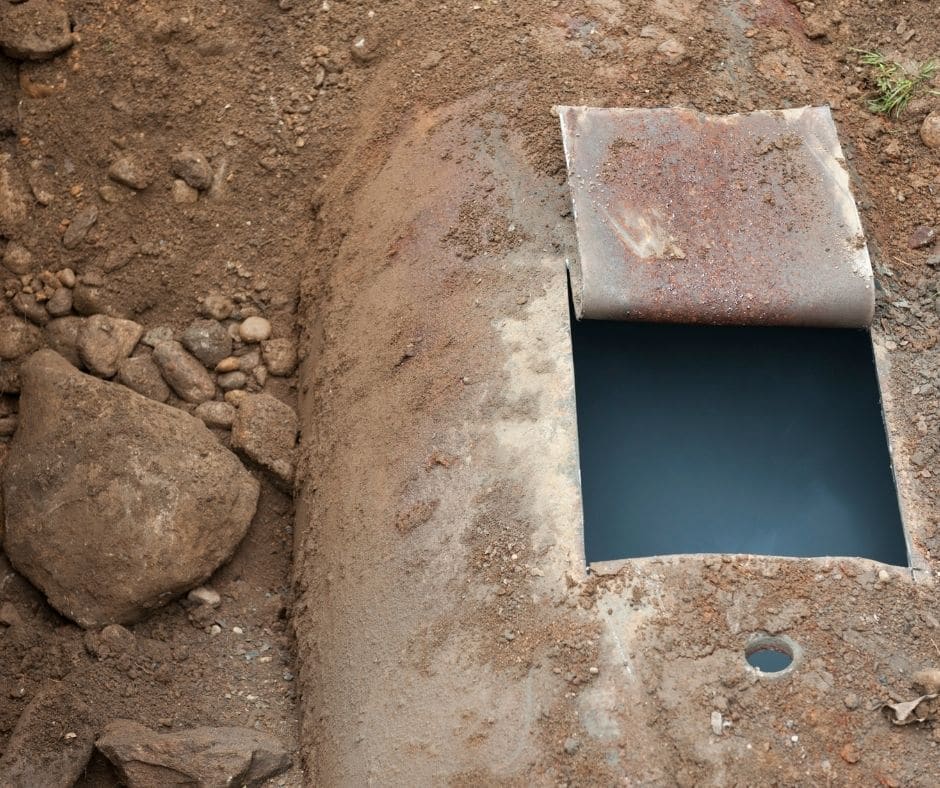
Underground storage tanks (UST):
- Underground oil tanks pose a greater risk of leaking than above-ground tanks. Age and the type of material of below-ground tanks are contributing factors to a potential oil leak.
- Underground tanks potentially have a negative impact when securing homeowners insurance. Many companies DO NOT cover below-ground oil tanks in addition to bank approval for a mortgage.
- Most buyers will avoid purchasing a home with below-ground tanks. Many homes now have storage tanks above ground, which makes the sale hassle free without added liability and timely delays.
Steps homeowners should consider:
- Obtain a few estimates from reputable companies who specialize in removing and replacing below-ground tanks. Get a written cost estimate and a contract that outlines the services to be performed before work begins.
- Check with your homeowners insurance company before removing the tank. IF your policy contains a “Pollution exclusion” clause, in the event you have an oil spill.
- It’s the homeowner’s responsibility to obtain and ensure that the necessary permit from the Building Department is issued and on file for the removal and installation of the oil tank(s). Be sure to make copies of the Certificate of Compliance and keep it in a safe place for future reference, as it will be needed.
- Don’t panic if you find contamination or suspect there has been a leak. Contact DEC (Dept. Environmental Conservation) or call the Spill Hotline (1-800-457-7362). DEC will provide you with guidance and assistance
Navigating state and municipal regulations in addition to home inspections, homeowners insurance, and mortgage guidelines make it more important than ever to work with a real estate professional who can align resources and oversee the selling process, including dealing with a below-ground tank.