The Secrets to Owning an Older Home: Why They’re Worth the Investment
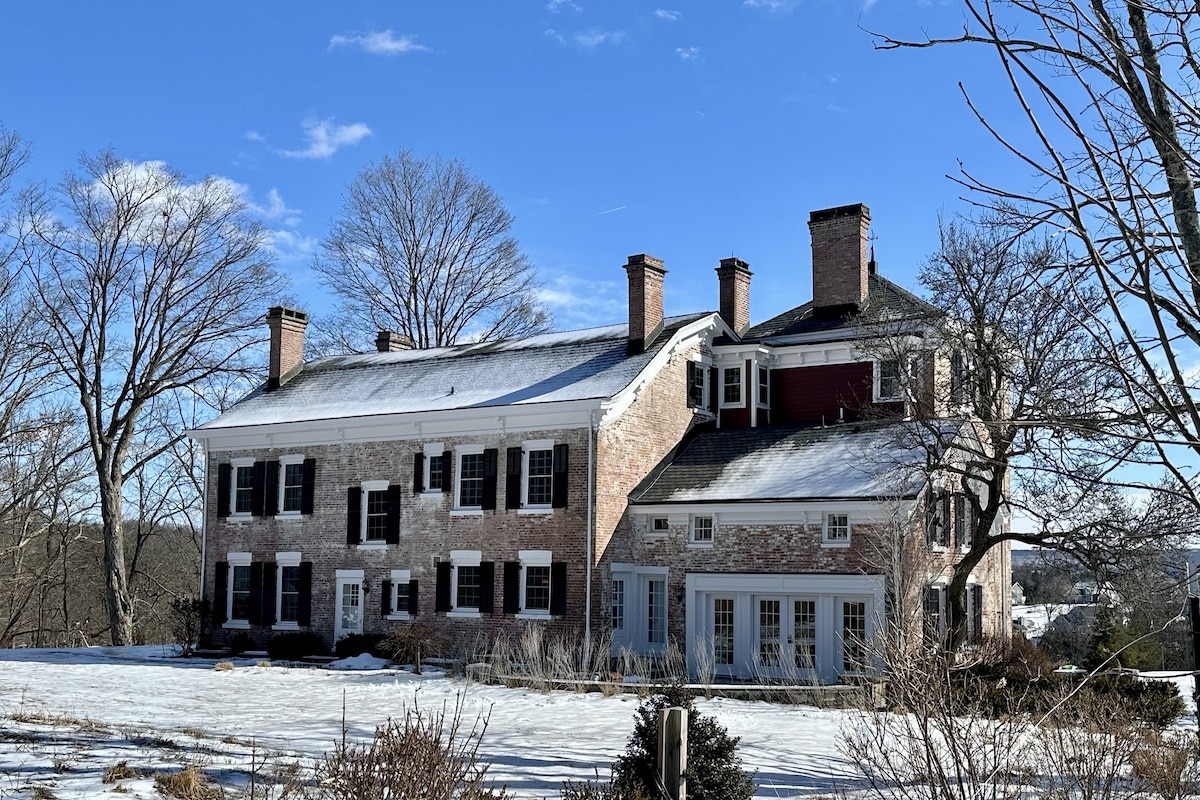
There’s something special about an older home—the craftsmanship, character, and history that modern builds often lack. But with that charm comes responsibility. If you’re considering purchasing an older home or already own one, knowing how to care for it will make all the difference.
Built to Last: Quality Over Quantity
Older homes were built with superior materials, often using real hardwood floors, thick framing lumber, and plaster walls. These materials provide durability and insulation that many modern homes lack. The attention to detail in moldings, millwork, and craftsmanship is difficult to replicate today. Before purchasing, it’s important to have a home inspection and engineer to evaluate the structure, insulation, and foundation to identify any necessary updates.
Smart Upgrades: What to Modernize
While older homes have strong bones, some systems may need modernization. Electrical wiring should be checked and updated if it still uses knob-and-tube or outdated breaker panels. Plumbing may also require attention, especially if galvanized pipes remain, as they can cause corrosion and water pressure issues. Insulation improvements, such as blown-in insulation or upgraded attic insulation, can make a significant difference in energy efficiency. Many older homes have original wooden windows that, when properly restored and weather-stripped, can be just as efficient as modern replacements.
Embracing the Quirks
Older homes have unique personalities, from slightly uneven floors to doors that don’t perfectly align. These quirks are often cosmetic rather than structural and add to the home’s character. Unlike today’s open-concept designs, older homes were built with purposefully designed spaces. Instead of forcing an open floor plan, consider enhancements that respect the home’s original layout while improving functionality.
The Importance of Regular Maintenance
Owning an older home requires proactive maintenance, but with proper care, these homes can last for generations. Staying ahead of minor repairs prevents larger issues down the road. Understanding the materials used in older homes, such as plaster walls or original wood flooring, helps in making appropriate repairs rather than opting for replacements that may diminish the home’s character. If you enjoy hands-on projects, older homes provide opportunities for DIY-friendly restoration work, such as refinishing wood floors or restoring original cabinetry.
Location and Long-Term Value
Older homes are often found in established neighborhoods with mature trees, larger lots, and a sense of community that newer developments can lack. Their proximity to town centers, schools, and parks makes them desirable. Because of their durability, historic charm, and neighborhood appeal, well-maintained older homes tend to hold their value or appreciate faster than some new construction.
Why an Older Home is a Great Investment
An older home has already stood the test of time. While it may require some updates, its enduring quality, architectural details, and established location make it a rewarding investment. By modernizing key systems while preserving its charm, you can enjoy the best of both worlds—timeless character with modern comfort.
If you’re considering an older home, I can help you confidently navigate the buying process, ensuring you find a home that fits your lifestyle and long-term goals. Let’s connect!